AC Stabilizer Comparison 2026:
Protect Your Inverter AC
A PCB replacement costs ₹8,000–₹25,000. A good stabilizer costs ₹3,000. We compare V-Guard, Microtek, Luminous, Everest, and more — so you never have to make that call.
Why Inverter ACs Still Need a Stabilizer (The PCB Myth)
The most dangerous misconception in AC ownership — debunked.
The PCB Myth
"My inverter AC has built-in voltage protection — I don't need a stabilizer." This is partially true but dangerously incomplete. Built-in protection only prevents the AC from running outside its range. It does NOT protect the PCB from voltage spikes that happen in microseconds — far faster than any relay can respond.
Voltage Spikes Are Invisible
When power is restored after a cut, the initial surge can reach 280–320V for 50–200 milliseconds. This is enough to permanently damage capacitors and MOSFETs on the PCB. A stabilizer's surge suppressor absorbs this spike before it reaches your AC.
The Math is Simple
PCB replacement: ₹8,000–₹25,000. Good stabilizer: ₹3,000–₹5,500. The stabilizer pays for itself the first time it prevents a PCB failure. Over a 10-year AC lifespan, a stabilizer is the single best protection investment you can make.
Copper vs. Aluminum Winding: Which Lasts Longer?
The single most important spec to check before buying any stabilizer.
Verdict: Always choose copper winding for an AC stabilizer. The ₹300–₹500 price difference is negligible compared to the 5–7 extra years of lifespan and significantly lower heat generation. Aluminum winding stabilizers are a false economy.
Best Stabilizers for Low Voltage Areas (90V–130V Entry)
If your area's voltage drops below 150V, most standard stabilizers will cut off your AC. Here's what you need.
- 90V–130VExtreme Low Voltage
Rural areas, agricultural feeders, end-of-line connections. Only the V-Guard VG 500 (90V–300V) handles this range.
RecommendedV-Guard VG 500 - 130V–160VLow Voltage
Semi-urban areas, older residential colonies, areas with heavy industrial load nearby. V-Guard VG 400 or Luminous Cruze recommended.
RecommendedLuminous Cruze 4kVA - 160V–280VNormal Urban Range
Most metro and Tier-1 city areas. Any standard 4 kVA stabilizer works. V-Guard VG 400 or Microtek EM4160+ are ideal.
RecommendedV-Guard VG 400
Voltage Drop Simulator
Drag the slider to your area's typical voltage and see which stabilizers can still protect your AC.
Use a multimeter to measure your wall socket voltage at peak load time (6–9 PM). If it drops below 160V, you need a wide-range stabilizer (130V–290V or better). If it drops below 130V, only the V-Guard VG 500 (90V–300V) will protect your AC.
Best Stabilizers for 1.5 Ton and 2 Ton ACs
Detailed profiles with protection features, pros, cons, and who each model is best for.

V-Guard VG 400
Best for 1.5 Ton ACBest overall stabilizer for 1.5 Ton AC. 3-year onsite warranty and copper winding make it the top pick for urban and semi-urban areas.

MICROTEK Pearl EM 4160+
Alternate Choice — 1.5 TonExcellent alternate choice for 1.5 Ton AC. Slightly wider working range (160V–285V) and 3-year warranty. Great if V-Guard VG 400 is unavailable.
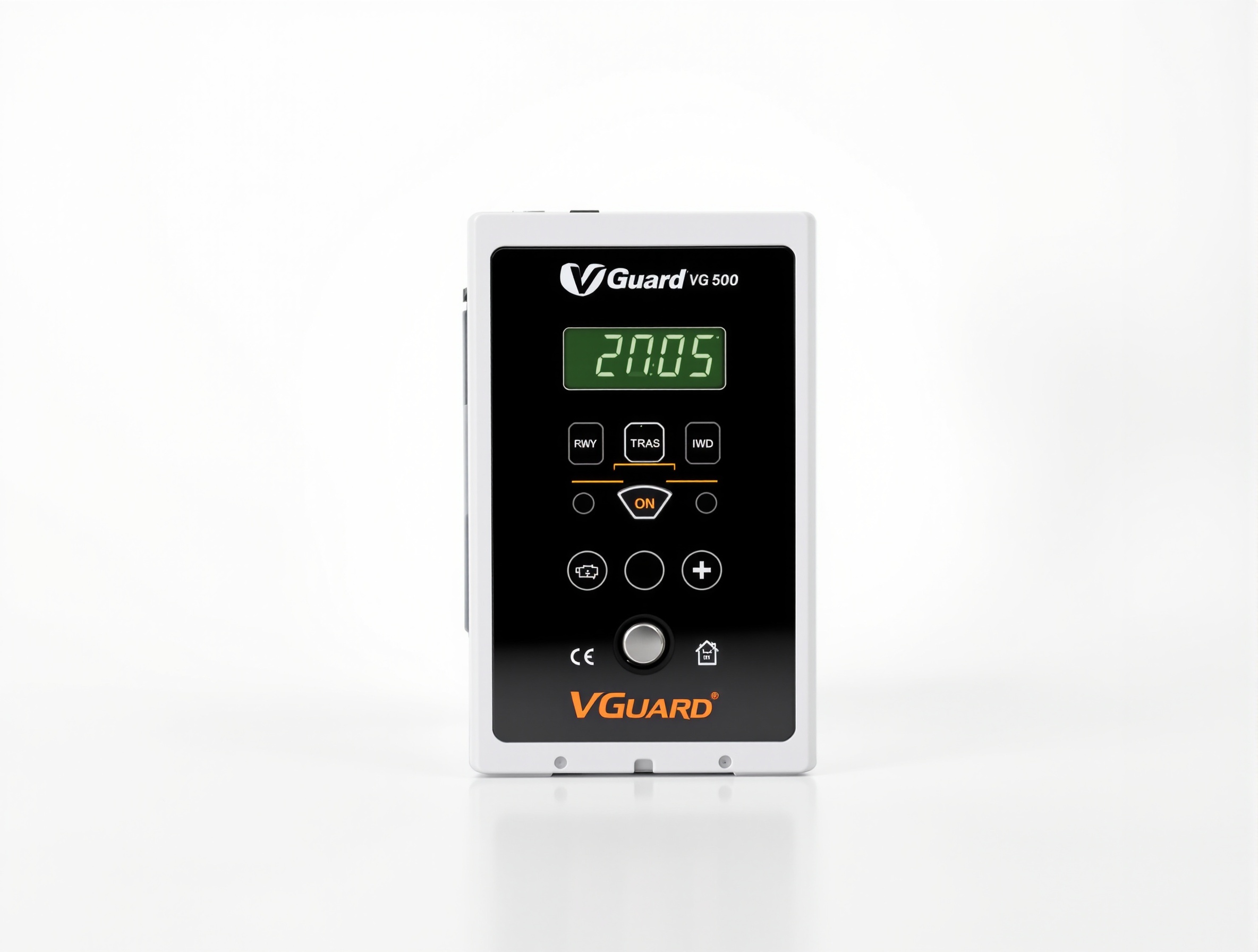
V-Guard iMagno 410
Best for 1.5T Inverter ACSpecifically optimised for 1.5 Ton inverter ACs. Energy-efficient design reduces power wastage. Best pick if you have a modern inverter AC.

V-Guard VG500
Best for 2 Ton ACThe definitive choice for 2 Ton ACs. 5 kVA rating handles the higher startup surge current of 2T compressors. Copper winding and 3-year warranty.
Master Comparison Table
All 6 stabilizers compared on every critical specification.
| Model | kVA | Input Range | Winding | Display | Time Delay | Warranty | Price |
|---|---|---|---|---|---|---|---|
V-Guard VG 400 Up to 1.5 Ton AC Best for 1.5 Ton AC | 4 kVA | 170V–270V 100V span | Copper (100%) | Digital | 3 Minutes | 3 Years Onsite | Check on Amazon |
MICROTEK Pearl EM 4160+ Up to 1.5 Ton AC Alternate Choice — 1.5 Ton | 4 kVA | 160V–285V 125V span | Copper (100%) | Digital | 3 Minutes | 3 Years | Check on Amazon |
V-Guard iMagno 410 1.5 Ton Inverter AC Best for 1.5T Inverter AC | 4 kVA | 170V–270V 100V span | Copper (100%) | Digital | 3 Minutes | 2 Years | Check on Amazon |
V-Guard VG500 Up to 2 Ton AC Best for 2 Ton AC | 5 kVA | 170V–270V 100V span | Copper (100%) | Digital | 3 Minutes | 3 Years | Check on Amazon |
Copper has 60% lower resistance than aluminum. Copper stabilizers run cooler, last 10–15 years vs 6–8 years for aluminum. Always choose copper for an AC stabilizer.
The 3–5 minute time delay prevents the compressor from restarting immediately after a power cut. Rapid restarts can damage the compressor — this is the most critical safety feature.
Digital stabilizers regulate to ±5% output accuracy. Analog models are ±10%. For inverter ACs with sensitive PCBs, digital regulation is strongly recommended.
Complete Your AC Protection Setup
A stabilizer is one part of the protection chain — here's the rest.
Frequently Asked Questions
Expert answers on AC stabilizer selection and safety.
Yes, even inverter ACs benefit from a stabilizer. While modern inverter ACs have built-in voltage protection (typically 160V–260V), this protection only prevents the AC from running — it doesn't protect the PCB from voltage spikes. A stabilizer provides an additional layer of protection for the expensive PCB (₹8,000–₹25,000 to replace) and ensures the AC runs at optimal voltage even during fluctuations.
Disclaimer: Stabilizer specifications are based on manufacturer datasheets and independent testing. Prices are indicative and subject to change. Always consult a licensed electrician before installing any electrical protection device. This page contains affiliate links — purchases may earn a commission at no extra cost to you.